

Child bottles turning yellow is a standard query that may puzzle many dad and mom.
Child bottles could flip yellow as a consequence of components like publicity to warmth, sure meals, and ageing of supplies. Whereas yellowing is widespread and doesn’t essentially have an effect on security, it may be prevented with correct cleansing and care. Protected options embody glass, silicone, or chrome steel bottles. Common cleansing, avoiding excessive temperatures, and immediate substitute of broken bottles are key for sustaining hygiene and aesthetics.
As an knowledgeable pediatrician, I’ll delve into these facets, we will unravel the mysteries behind this discoloration and discover ways to successfully forestall or handle it.
Is it regular for child bottles to show yellow?
Sure, it’s comparatively widespread for child bottles to develop a yellowish tint over time, particularly if they’re often used and subjected to repeated washing and sterilization. This yellowing could be attributable to numerous components, together with publicity to warmth, sure meals or drinks, and the pure breakdown of supplies like plastic or silicone. Whereas the discoloration could not essentially have an effect on the bottle’s performance or security, some dad and mom favor to switch yellowed bottles for aesthetic causes or considerations about potential chemical leaching. Common cleansing and correct upkeep can assist decelerate the yellowing course of, however it’s typically thought-about a traditional prevalence with prolonged use.
1. What are child bottles?
Child bottles are containers designed for feeding infants with milk, method, or different liquids. They sometimes encompass a bottle physique, nipple, and cap. These bottles are available numerous shapes, sizes, and supplies to swimsuit completely different preferences and wishes.
2. Supplies utilized in child bottles
Historically, child bottles have been comprised of glass. Nevertheless, with developments in know-how, plastic and silicone have grow to be fashionable options. Every materials has its benefits and downsides when it comes to sturdiness, weight, and ease of cleansing.
Why Do Child Bottles Flip Yellow?
Child bottles can flip yellow as a consequence of a wide range of components, together with:
- Publicity to excessive temperatures: Repeated publicity to sizzling water throughout sterilization or dishwashing may cause plastic bottles to yellow over time.
- Pigment absorption: Some meals or liquids, particularly these with robust colours like carrots or tomato-based merchandise, may cause plastic bottles to soak up pigments and develop a yellowish tint.
- Chemical reactions: The breakdown of plastics, equivalent to polycarbonate or polypropylene, as a consequence of publicity to daylight, harsh detergents, or different chemical substances, can contribute to yellowing.
- Age and put on: Over time, the pure ageing technique of plastics can result in adjustments in shade and look, leading to a yellowed or discolored look.
- Residue buildup: Insufficient cleansing or improper rinsing of bottles can depart behind residue, which can contribute to yellowing over time.
How you can get yellow stains out of the child bottle?
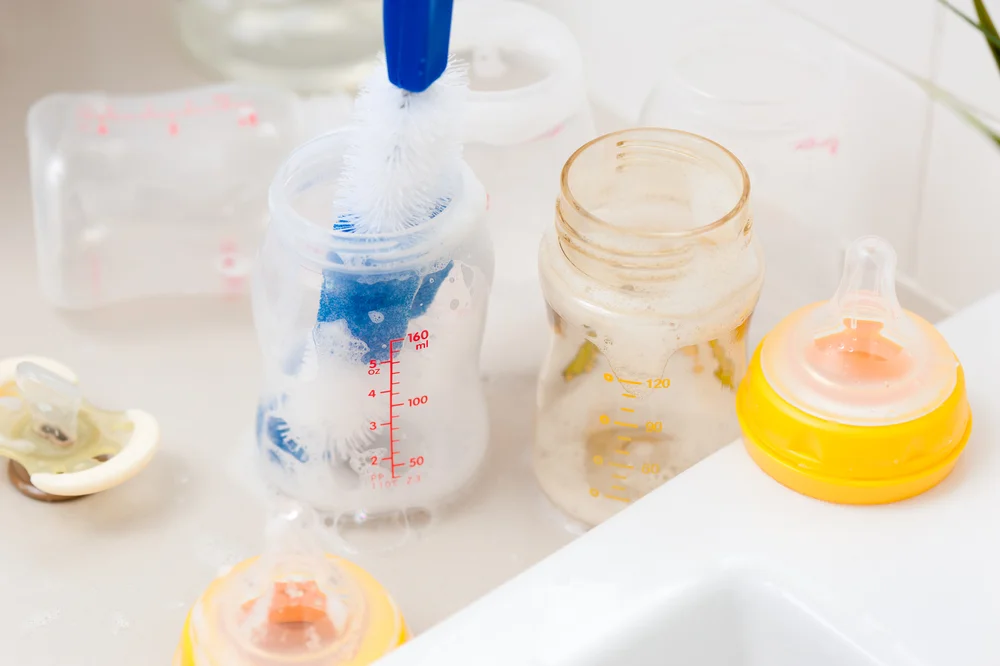
Firstly: To successfully take away yellow stains from child bottles, start by making ready a baking soda paste utilizing baking soda and water, then apply it generously to the stained areas. Let the paste sit for a number of hours or in a single day to permit it to work its magic. Afterward, scrub the stains utilizing a bottle brush in round motions. Rinse the bottles completely to take away any leftover baking soda residue.
Secondly: Put together a vinegar resolution by mixing equal components white vinegar and heat water, including a number of drops of lemon juice if desired. Soak the bottles on this resolution for a number of hours or in a single day. After soaking, scrub the stains as soon as extra with the bottle brush. Lastly, rinse the bottles completely with heat water to take away any vinegar residue and permit them to air dry utterly earlier than use. Following these steps will assist be sure that your child bottles are free from yellow stains and protected to be used.
Associated: How Often to Replace Baby Feeding Bottles & Nipples, Plastic, Glass, Silicone
Ideas for Stopping Yellowing
To forestall yellowing of child bottles, take into account the next ideas:
- Use BPA-free bottles: Select child bottles comprised of BPA-free supplies to cut back the danger of chemical reactions that may result in yellowing.
- Wash bottles promptly: Rinse bottles instantly after use to stop residue buildup, which may contribute to yellowing over time.
- Use mild detergents: Go for delicate dish soaps particularly formulated for child bottles to keep away from harsh chemical substances that may trigger discoloration.
- Keep away from excessive temperatures: Restrict publicity to excessive warmth, equivalent to boiling water or high-temperature dishwashers, as it may well speed up yellowing.
- Rinse after feeding: Rinse bottles with heat water instantly after feeding to stop stains from drying and setting in.
- Sterilize with care: Comply with producer’s directions for sterilizing child bottles and keep away from extended publicity to excessive temperatures.
- Retailer correctly: Retailer clear, dry bottles away from direct daylight to stop UV-induced yellowing.
- Rotate bottles: Repeatedly rotate bottles to make sure even put on and stop extreme yellowing of often used bottles.
- Storage: Retailer clear, dry bottles in a cool, darkish place away from direct daylight. Keep away from storing bottles close to sources of warmth, equivalent to stoves or dishwashers, as extreme warmth can speed up the degradation of plastic or silicone.
Protected Options to Conventional Child Bottles
Mother and father’ main considerations whereas deciding on feeding tools for his or her infants are security and well being. Though typical plastic child bottles have been broadly used, many dad and mom are searching for safer choices as a consequence of worries about chemical substances like BPA and the potential of discolouration.
1. Glass bottles
Glass bottles are a sturdy and non-toxic various to plastic or silicone. They’re immune to staining and could be simply sterilized by boiling or utilizing a sterilizer. Whereas glass bottles could also be heavier and extra vulnerable to breakage, many dad and mom favor them for his or her peace of thoughts concerning potential chemical leaching.
2. Silicone bottles
Silicone bottles provide the pliability of plastic with the security of glass. They’re light-weight, sturdy, and free from dangerous chemical substances like BPA and phthalates. Silicone bottles are additionally immune to staining and straightforward to wash, making them a wonderful alternative for folks searching for a protected and handy feeding possibility.
3. Chrome steel child bottles:
Chrome steel bottles are one other glorious possibility, as they’re light-weight, sturdy, and free from dangerous chemical substances like BPA. In addition they provide glorious temperature retention, preserving liquids sizzling or chilly for prolonged intervals.
4. Biodegradable child bottles:
Some corporations provide biodegradable child bottles comprised of plant-based supplies like cornstarch or bamboo. These bottles are eco-friendly and free from dangerous chemical substances, making them a protected and sustainable possibility for environmentally acutely aware dad and mom.
Is it protected to make use of child bottles that flip yellow?
Child bottle yellowing is normally extra of a beauty than a security concern. Nevertheless, it’s essential to test bottles for harm or degradation earlier than using ones which have turned yellow. The bottles are in all probability protected to make use of if they’re nonetheless structurally intact and don’t exhibit any proof of chemical leaching or degradation. Nevertheless, it might be clever to switch them with new bottles if there are issues of safety. Child bottles can have their lives prolonged and discoloration slowed down with common cleansing and care.
Conclusion
In conclusion, dad and mom should comprehend the explanations behind child bottles turning yellow with the intention to protect their youngster’s well being and lengthen the lifetime of feeding provides. Though yellowing is normally a beauty drawback, it may well additionally give rise to security and hygienic points. By way of cautious consideration of parts together with materials composition, cleansing methods, and preventive measures, dad and mom can successfully handle yellowing and scale back related risks. Making certain a protected consuming setting for newborns requires deciding on acceptable substitutes for conventional child bottles, following advisable cleansing procedures, and changing damaged or deteriorating bottles as quickly as potential. Mother and father could prioritize their child’s well being and overcome the difficulties related to yellowing child bottles if they’re conscious of the scenario.
FAQ’s
Learn additionally:


